

United Arab Emirates
Dubai
Dubai is a futuristic metropolis that rose from the desert in just a few decades, where vertigo-inducing towers like the Burj Khalifa stand alongside the traditional souks of Deira and the calm waters of the Creek. Between lavish shopping at the Dubai Mall, golden dunes stretching to the horizon, and mosques crowned with pristine domes, the city offers a striking contrast between flashy modernity and its Arabian Gulf roots. Dubai is best discovered both from the top of its towers and at sand level, between an abra ride across the Creek and sunset over the Marina.
What to do in Dubai in 3 days?
Spend day one in the modern downtown with the Burj Khalifa, the Dubai Mall, and the Dubai Fountain show; day two in old Dubai with the Al Fahidi neighborhood, an abra crossing of the Creek, and the gold and spice souks in Deira, followed by Jumeirah Mosque; day three on Dubai's beachier side, with views of the Burj Al Arab from Jumeirah Beach, a stroll along Dubai Marina and JBR, then a desert safari in the late afternoon. This pace lets you alternate skyscrapers, tradition, and desert without rushing. Find these 10 spots in order below, with practical details for each.
What budget should you plan for a trip to Dubai?
Budget around EUR130-160 per day per person for activities, meals, and transport (accommodation not included): EUR10-15 for a meal at a local restaurant in Satwa or Deira, about EUR1 for a metro ticket with a Nol card, and EUR35-40 for access to the top of the Burj Khalifa. A desert safari with dinner typically runs EUR50-80 per person. Dubai can get pricey fast in tourist zones like Dubai Mall or the Marina, but stays affordable a little further from the center.
What's the best time to visit Dubai?
The best time is November to March, with pleasant temperatures around 20-30°C, ideal for enjoying the beaches and outdoor activities. Avoid June to September: temperatures frequently top 40°C and the humidity makes outdoor sightseeing exhausting, even in the evening.
How do you get around Dubai?
Dubai's automated, air-conditioned metro is the most convenient way to connect downtown, the Marina, and the airport: top up a Nol card for about EUR1 per ride. Taxis are plentiful and cheap for areas poorly served by the metro, while traditional abras let you cross the Creek for less than a euro.
Prices and hours are indicative — please verify before your visit.
Ideally, plan 4 days to explore Dubai. The best time to explore Dubai remains November to March. Do not miss Burj Khalifa, Dubai Mall, Deira souks, the city's unmissable highlights — you can book your tickets directly online  →.
NavorAI Videos
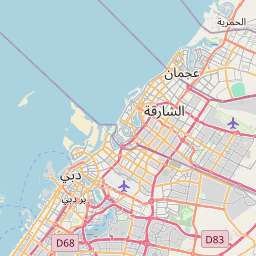
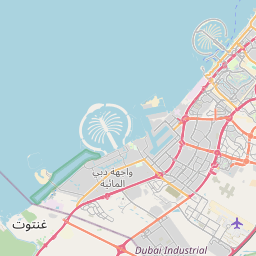

10 places to visit

Burj Khalifa
Rising 828 meters into the sky, the Burj Khalifa has been the tallest man-made structure on Earth since 2010 and the ultimate symbol of Dubai's outsized ambition. Its 'At the Top' observation decks, on the 124th, 125th, and 148th floors, offer breathtaking views over the city, the surrounding desert, and the Arabian Gulf, especially spectacular at sunset. The elevator, one of the fastest in the world, whisks visitors up to the 124th floor in under a minute. The tower also houses panoramic restaurants like At.mosphere on the 122nd floor, and is the ideal spot to watch the Dubai Fountain show just below. Book your time slot in advance, as sunset slots sell out first. Allow about 1 to 1.5 hours for the full visit.
Red line metro, Burj Khalifa/Dubai Mall station - 10 min walk via an air-conditioned walkway.

The Dubai Mall
The Dubai Mall isn't just a shopping center but a destination in its own right, one of the largest in the world with more than 1,200 stores spread across several levels. At its heart sits the Dubai Aquarium & Underwater Zoo, a massive 10-million-liter tank visible through a pedestrian tunnel, home to sharks and rays. The mall also features an Olympic-size ice rink, a cascading indoor waterfall, and direct access to the Burj Khalifa and the Dubai Fountain promenade. Shoppers will find both international brands and recreated covered souks for gold and souvenirs. Even without any intention to buy, strolling through in the late afternoon before the fountain show is part of the classic Dubai experience. Allow at least 2 to 3 hours to explore it without rushing.
Red line metro, Burj Khalifa/Dubai Mall station - direct exit connected to the mall.


The Dubai Fountain
The Dubai Fountain stretches 275 meters at the base of the Burj Khalifa, on the artificial Burj Khalifa Lake, and performs a choreographed show several times a day, with water jets shooting up to 150 meters high dancing to music ranging from Arabic classics to international hits. Designed by the same company behind the Bellagio fountains in Las Vegas, the installation lights up after dark with over 6,600 lights and 25 colored projectors, creating a free water ballet visible from the lakeside promenade or the surrounding terraces. Shows run every 30 minutes in the evening, each lasting about 5 minutes. For the best view, find a spot on the pedestrian bridge linking Souk Al Bahar to the Dubai Mall, or book a terrace table at one of the restaurants overlooking the lake. It's a free must-see at the end of the day.
Walkable from The Dubai Mall or Souk Al Bahar, along the lakeside promenade.


Al Fahidi Historical Neighbourhood
The Al Fahidi neighborhood is the best-preserved witness to pre-oil Dubai, a maze of narrow lanes lined with coral-and-gypsum houses built at the turn of the 20th century by Persian merchants. Its iconic wind towers (barjeel), a kind of natural air conditioning catching the faintest breeze to cool the interiors, still dominate the district's rooftops. It's home to the Dubai Museum, housed in Al Fahidi Fort, the city's oldest building dating to 1787, as well as several contemporary art galleries, cafes, and guesthouses tucked into restored old homes. The Sheikh Mohammed Centre for Cultural Understanding hosts traditional lunches open to curious visitors wanting to chat with Emiratis about their culture and religion. Wandering these shaded lanes offers a striking contrast with the glass towers of the modern downtown, barely visible in the distance.
Green line metro, Al Fahidi station - 5 min walk to the neighborhood entrance.

Dubai Creek & Abra Crossing
Dubai Creek is the saltwater inlet around which the entire city grew from the 19th century onward, separating the commercial district of Deira from the more residential Bur Dubai. Crossing it aboard an abra, a small wooden water taxi that has been sailing for over a century, remains one of Dubai's most authentic and cheapest experiences. The ride takes barely five minutes but offers a superb view of dhows loaded with goods moored along the docks and the traditional facades of Bur Dubai. Longer tourist cruises, including dinner cruises, also sail up the Creek at sunset to admire the downtown skyscrapers reflected in the water. It's an essential stop to understand the city's trading and maritime origins before its oil-fueled rise.
Abra stations in Bur Dubai (near Al Fahidi) and Deira Old Souk, on either side of the Creek.

Deira Gold & Spice Souks
The Deira souks concentrate all the trading folklore of pre-skyscraper Dubai, especially the Gold Souk, a tangle of more than 300 jewelry shops lined with window displays and 18- and 22-carat gold necklaces, sometimes sold by weight at the day's rate. A few steps away, the Spice Souk intoxicates visitors with open sacks of saffron, cardamom, frankincense, and Turkish delight piled right on the ground, in a sensory atmosphere typical of the Middle East. Merchants, used to tourists, happily invite haggling over prices, an expected cultural practice rather than an inconvenience. Wandering between the two souks, linked by covered lanes, takes about an hour and is ideally capped off with an abra crossing of the Creek to Bur Dubai. It's one of the few places in Dubai where traditional Gulf trade is still fully alive.
Green line metro, Al Ras or Palm Deira station - 5 to 10 min walk depending on the souk.

Jumeirah Mosque
Jumeirah Mosque, built in 1979 in medieval Mamluk style with white limestone and two slender minarets, is considered Dubai's most beautiful and photogenic mosque. It's especially known as one of the few mosques in the UAE open to non-Muslim visitors, thanks to guided tours organized by the Sheikh Mohammed Centre for Cultural Understanding. These tours, which include tea, dates, and a no-taboo Q&A session on Islam and Emirati culture, offer a rare and valuable chance to better understand local traditions in a welcoming setting. Appropriate clothing (robes and headscarves) is lent free of charge to visitors dressed inappropriately. At night, the illuminated mosque makes for one of Dubai's finest photos, especially from the adjacent seaside park.
Bus 8 or 81 from downtown, Jumeirah Mosque stop - guided tours at fixed times (check online).

Burj Al Arab & Jumeirah Beach
The Burj Al Arab, a dhow-sail silhouette rising 321 meters, has been one of the most luxurious and photographed hotels in the world since it opened in 1999, often (incorrectly) billed as the planet's only '7-star' hotel. Built on an artificial island connected to the coast by a private bridge, it's accessible only to hotel guests or those with reservations at one of its restaurants, but it's beautifully viewed from the public Jumeirah Beach right across from it. This white sand beach, lined with palm trees and free to access, offers an unobstructed view of the Burj Al Arab and is a great spot to swim or watch the sunset over the Arabian Gulf. For a more immersive experience, an afternoon tea or dinner inside the hotel is possible by reservation, at a high but memorable price.
Bus 8 or taxi to Jumeirah Beach - no metro station within direct walking distance.

Dubai Marina & JBR Walk
Dubai Marina is an entirely artificial district built around a 3.5-kilometer navigable canal, lined with more than 200 futuristic residential skyscrapers that make it one of the densest towers clusters in the world. The promenade running along the canal, dotted with cafes, restaurants, and yacht marinas, is ideal for a late-afternoon stroll or a traditional dhow cruise to admire the illuminated towers from the water. Right next door, Jumeirah Beach Residence (JBR) extends the atmosphere with its long beachside promenade, The Walk, its lively terraces, and direct access to a busy public beach. The contrast between the marina's calm waters and the surrounding urban buzz makes it one of the city's most photogenic and lively districts, especially in the evening.
Red line metro, DMCC (Dubai Marina) or Jumeirah Lakes Towers station - direct access to the promenade.

Desert Safari
Less than an hour from downtown, the ochre dunes of the Arabian desert offer a total contrast to Dubai's skyscrapers and make for a must-do excursion, usually organized in the late afternoon. The safari typically starts with a dune bashing session, a spectacular 4x4 ride careening down sandy slopes, followed by photo stops at sunset over golden dune ridges. Traditional camps then offer camel rides, henna, shisha, belly dancing, and a barbecue dinner under a Bedouin tent, often beneath a remarkably clear starry sky far from the city's light pollution. The Dubai Desert Conservation Reserve, the UAE's first protected reserve, also offers safaris more focused on local wildlife (oryx, gazelles) for visitors after a more nature-focused, less festive approach. Book preferably in the late afternoon to enjoy both the cooling heat and the sunset.
Organized minivan pickup from your hotel (included in most booked excursions).
Partner links: NavorAI may earn a commission, at no extra cost to you.
Specialities to try
Shawarma
Marinated spit-roasted meat wrapped in thin bread, the city's signature snack.
Al machboos
Spiced rice with saffron and cardamom, with meat or fish: the Emirati national dish.
Luqaimat
Crispy little dumplings drizzled with date syrup and sesame.
Manakish
Levantine flatbread with za'atar or cheese, perfect for breakfast.
Dates & Arabic coffee
Light cardamom coffee (gahwa) served with dates, a symbol of hospitality.
Where to try them
Deira & the souks
Spice souk and small canteens in old Dubai.
Al Fahidi
Historic district to taste traditional Emirati cooking.
Al Karama & Satwa
Everyday neighbourhoods for Indian, Pakistani and Lebanese street food.
Our practical tips
Get a Nol card as soon as you arrive, at the airport or any metro station: it covers the metro, buses, and abras for about EUR1 per ride, far cheaper than taxis.
Pack clothing covering shoulders and knees for visiting mosques and shopping malls: Dubai remains a conservative city despite its ultra-modern image.
Avoid June to September if you can: extreme heat and humidity (often above 40°C) make outdoor sightseeing exhausting, even after sunset.
Always haggle in the Deira souks: listed prices are rarely final, and a 20-30% discount is usually accepted without much resistance.
Alcohol is only served in licensed hotels and restaurants: it's illegal to drink or carry it outside these venues, even in small amounts.
Book your desert safari for late afternoon rather than midday: you'll dodge the crushing heat while still catching the sunset over the dunes, the excursion's highlight.
Find your flight to Dubai
Prices compared in one click.

Prepare your stay
Stay connected during your trip

Need an airport transfer?
Want freedom to explore?

Keep exploring


