

Greece
Athens
Athens is one of the most fascinating cities in the world, the birthplace of democracy and Western philosophy, where the Acropolis towers over a vibrant capital blending ancient ruins with buzzing nightlife. Between the cobbled lanes of Plaka, ouzo-scented mezze, and sunsets from Lycabettus Hill, Athens is a city best discovered on foot — and at the table.
What to do in Athens in 3 days?
Spend day one at the Acropolis, the Plaka district, the Acropolis Museum, and the Temple of Olympian Zeus; day two at Syntagma Square, Monastiraki, and the Ancient Agora; day three at the National Archaeological Museum and up Lycabettus Hill, then on a trip to Cape Sounion for sunset. This pace covers the essentials without rushing, with plenty of taverna breaks in between. Find these 10 spots in order below, with practical details for each.
What budget should you plan for a trip to Athens?
Budget around EUR100-120 per day per person for activities, meals, and transport (accommodation not included): EUR8-12 for a meal at a neighborhood taverna, EUR1.20 for a metro ticket (or a 3-day tourist pass), and EUR20-30 per major site with the combined Acropolis ticket. Athens remains one of the most affordable European capitals.
What's the best time to visit Athens?
The best time is April to June, with mild temperatures and ideal light for visiting outdoor sites. Avoid July-August if possible: temperatures often top 35°C, making the climb up to the Acropolis exhausting in the middle of the day.
How do you get around Athens?
The Athens metro is the simplest and most efficient way to get around: a 90-minute ticket costs EUR1.20, and a 3-day tourist pass is handy for hopping between sites without worrying about tickets. The historic center (Plaka, Monastiraki, the Acropolis) is very walkable.
Prices and hours are indicative — please verify before your visit.
Ideally, plan 3 days to explore Athens. The best time to explore Athens remains April to June. Do not miss Acropolis, Ancient Agora, Monastiraki, the city's unmissable highlights — you can book your tickets directly online  →.
NavorAI Videos
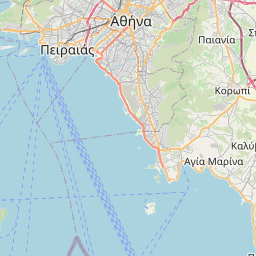
10 places to visit

The Acropolis
The Acropolis is the absolute symbol of ancient Greek civilization and one of the most visited archaeological sites in the world. Perched on its sacred rock 156 meters above the city, it has dominated Athens since the 5th century BC. The Parthenon, the supreme masterpiece of Doric architecture dedicated to the goddess Athena, is its centerpiece, but the site also includes the Erechtheion with its famous Caryatids, and the Temple of Athena Nike. The panoramic view from the top stretches across the entire city to the Saronic Gulf. The climb follows marble paths polished smooth by millions of visitors, slippery when wet. Allow 1.5 to 2 hours for a full visit, ideally right at opening (8am) to beat both the crowds and Athens' crushing summer heat.
Metro line 2 (red), Acropoli station - 5 min walk to the entrance.


Plaka
Plaka is the oldest inhabited neighborhood in Athens and arguably its most charming, tucked right at the foot of the Acropolis in a maze of pedestrian cobbled lanes. Spared from modern urbanization, it has kept its 19th-century neoclassical character: colorful bougainvillea-draped facades, low houses, small shaded squares, and steep stairways leading up to the neighboring district of Anafiotika, a curious enclave that feels like a Cycladic island in the heart of the capital. Plaka is packed with family-run traditional tavernas, craft shops, and intimate small museums (the Museum of Greek Folk Art, the Museum of Musical Instruments). It's the perfect place to wander without a plan, enjoy authentic Greek food away from the bustle, and soak up a romantic evening atmosphere as the lanes light up softly at night.
Metro line 2, Acropoli or Syntagma station - a fully pedestrian neighborhood.

Acropolis Museum
Opened in 2009, the Acropolis Museum is one of the most admired archaeological museums in Europe, both for its collections and its contemporary architecture by Bernard Tschumi. Built on stilts above visible ancient ruins seen through a glass floor, it houses the original sculptures removed from the Acropolis to protect them from pollution, including the authentic Caryatids of the Erechtheion. The top floor, fully glazed and aligned on the same axis as the Parthenon, displays the temple's complete frieze with a direct view of the original monument - a striking setup that stays with visitors long after. Allow 1.5 hours for the visit. The combined ticket with the Acropolis offers meaningful savings.
Metro line 2 (red), Acropoli station - the museum faces the exit.

Temple of Olympian Zeus
The Temple of Olympian Zeus, or Olympieion, was the largest temple ever built in ancient Greece, dedicated to the king of the gods. Begun in the 6th century BC, its construction stretched over nearly seven centuries and was only completed under the Roman emperor Hadrian in 131 AD. Of the 104 original 17-meter Corinthian columns, only 15 still stand today - one was toppled by a storm in 1852 and left lying where it fell, offering a striking sense of the building's monumental scale. Just steps from Hadrian's Arch and within walking distance of the Acropolis, this open-air site is a quick visit (30-45 minutes) but leaves a lasting impression thanks to the sheer scale of its proportions.
Metro line 2, Acropoli station - 5 min walk, facing Hadrian's Arch.


Syntagma Square
Syntagma Square ('Constitution Square') is the institutional, beating heart of Athens, flanked by the imposing Greek Parliament building, once the 19th-century royal palace. In front of its facade, on the hour, every hour, the solemn and heavily photographed Changing of the Guard ceremony takes place, performed by the Evzones in traditional dress (pleated fustanella skirt and red pom-pom shoes), with a particularly elaborate version on Sundays at 11am. The square itself, ringed by historic cafes and department stores, is an excellent starting point for exploring the city on foot: the Syntagma metro station even displays open-air archaeological remains uncovered during its construction. Just behind it stretches the National Garden, a welcome haven of shade in summer.
Metro line 2 or 3, Syntagma station - direct exit onto the square.

Monastiraki
Monastiraki is the colorful, popular soul of Athens, a neighborhood where the bustle of an oriental bazaar meets 19th-century neoclassical elegance. Its flea market, open daily but at its liveliest on Sunday mornings, offers a joyful jumble of antiques, handcrafted jewelry, vintage vinyl, and souvenirs of every kind along Ifestou Street. The main square, with its direct and spectacular view of the Acropolis lit up at night, is one of the best spots in Athens to enjoy a Greek coffee on a terrace or watch local life unfold. As night falls, the traditional tavernas and cocktail bars in the surrounding lanes come alive with live music, shared mezze, and the scent of ouzo in the air. It's also the ideal starting point to reach Plaka or the Ancient Agora on foot, just minutes away.
Metro line 1 (green) or 3 (blue), Monastiraki station - right in the center.

Ancient Agora
The Ancient Agora was the true center of public, political, and commercial life in classical Athens - a vast open-air space where democratic assemblies and trials were held, markets bustled, and Socrates philosophized among the citizens. The site today houses the Temple of Hephaestus, remarkably well preserved and considered one of the best-preserved Doric temples in all of Greece, along with the Stoa of Attalos, a reconstructed portico now home to a museum displaying thousands of everyday ancient objects (pottery, tools, voting tokens). Far less crowded than the nearby Acropolis, this site offers a more peaceful experience and lets you truly feel the atmosphere of early democracy, among centuries-old olive trees and scattered ruins. Allow about 1.5 to 2 hours for the visit.
Metro line 1 or 3, Monastiraki station - 5 min walk, entrance on Adrianou Street.

National Archaeological Museum
The National Archaeological Museum of Athens is Greece's largest museum and one of the richest in the world for ancient Greek art, spanning over 5,000 years of history from prehistory to late antiquity. Its halls hold priceless treasures: the famous gold funerary mask known as the 'Mask of Agamemnon' discovered at Mycenae, the monumental Artemision bronzes (including the statue of Poseidon - or Zeus - hurling a thunderbolt), and an exceptional collection of minimalist Cycladic sculptures that fascinated modern artists like Picasso. The dense, sometimes overwhelming route deserves at least 2.5 to 3 hours to fully appreciate its riches. An audio guide or guided tour is highly recommended, given how much historical context the exhibits call for.
Metro line 1 (green), Victoria station - 10 min walk, or bus 224.

Lycabettus Hill
Mount Lycabettus rises 278 meters above Athens and offers, without question, the finest 360-degree panoramic view of the whole city, from the Acropolis to the Saronic Gulf and, on a clear day, all the way to the mountains of the Peloponnese. The climb follows pine-shaded paths (30-45 minutes) or, more simply, a funicular from the upscale Kolonaki neighborhood. At sunset, the hill draws both tourists and Athenians who come to watch the illuminated Acropolis stand out against the orange sky - a particularly photogenic moment. At the summit sits the small white chapel of St. George, along with a panoramic restaurant perfect for a romantic dinner overlooking the city as it lights up.
Bus 060 from Kolonaki, or funicular from Ploutarchou Street.

Cape Sounion
The Temple of Poseidon at Cape Sounion sits on a dramatic cliff 60 meters above the Aegean Sea, at the tip of the Attic peninsula, about an hour's drive south of Athens. This 5th-century BC Doric temple, dedicated to the god of the sea to protect sailors, offers one of the most legendary sunsets in Greece, the sun slowly sinking into the Aegean between the ancient columns. Poet Lord Byron reportedly carved his name into one of the columns during his visit in the 19th century. It's a must-do day trip or late-afternoon excursion from Athens, easily combined with a swim stop at the nearby beaches of the Apollo Coast.
KTEL bus from Mavromateon station (Areos Park) - about a 2-hour ride, no metro access.
Partner links: NavorAI may earn a commission, at no extra cost to you.
Specialities to try
Souvlaki & gyros
Skewers or spit-roasted meat wrapped in pita with tzatziki: the classic Athenian street meal.
Moussaka
Oven-baked layers of aubergine, spiced minced meat and béchamel, served in every taverna.
Greek salad (horiatiki)
Tomatoes, cucumber, onion, Kalamata olives and a slab of feta drizzled with olive oil.
Spanakopita
Crispy filo pie filled with spinach and feta, perfect for a morning snack.
Loukoumades
Golden fried dough balls drenched in honey, cinnamon and sometimes walnuts.
Where to try them
Central Market (Varvakios)
Lively halls of meat, fish and spices, surrounded by small workers' tavernas.
Monastiraki & Psiri
The neighbourhood for souvlaki and meze, buzzing in the evening.
Plaka
Lanes below the Acropolis lined with traditional tavernas and terraces.
Our practical tips
The Athens metro is efficient and cheap: a 90-minute ticket costs EUR1.20, or grab a 3-day tourist pass to hop between sites without worrying about tickets.
Visit the Acropolis and major sites right at opening (8am) to avoid the crowds and the crushing heat, especially in July-August when temperatures often top 35°C.
An authentic, hearty Greek meal costs EUR8-12 at neighborhood tavernas (Psiri, Exarcheia) - the tourist restaurants in Plaka are noticeably pricier for often lower quality.
Book your Acropolis and major museum tickets online in advance, especially in high season - the combined 5-day Acropolis + archaeological sites ticket offers real savings.
Ancient marble polished smooth by centuries of foot traffic gets very slippery, especially in the rain - wear closed shoes with good grip when visiting the sites.
For the best sunset over the illuminated Acropolis, climb Lycabettus Hill or grab a spot on one of Monastiraki's rooftop terraces in the late afternoon.
Find your flight to Athens
Prices compared in one click.

Prepare your stay
Stay connected during your trip

Need an airport transfer?
Want freedom to explore?

Keep exploring


